Blossom Dental and Facial Aesthetics
Same-day emergency appointmentsDental emergency? (386) 947-7603
900 W. Granada Blvd., Unit 5, Ormond Beach, FL

Periodontal care
Chao Pinhole® Surgical Technique
No incisions. No sutures.
A minimally invasive treatment for gum recession, with no incisions, no stitches and no donor tissue. Dr. Huda trained in the technique with its creator, Dr. John Chao.

Trained by Dr. John Chao
Creator of the technique
Overview
A gentler approach to gum recession
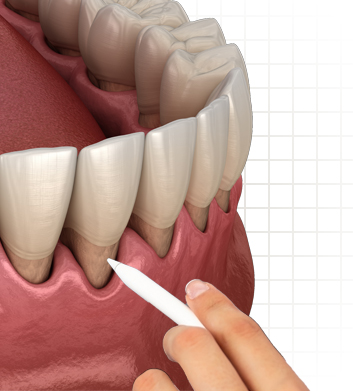
Gum recession happens when the gum tissue pulls back from your teeth, leaving more of each tooth and its root exposed. Exposed roots are more vulnerable to decay, and many people also notice sensitivity or teeth that look longer than they used to.
The Chao Pinhole® Surgical Technique (PST) is a minimally invasive way to treat gum recession. Unlike traditional gum grafting, it involves no incisions and no sutures, and no tissue is taken from the roof of your mouth. Dr. John Chao created the technique and its instruments, and he personally trained Dr. Huda Aljonaidy in PST.
Benefits of PST
No incisions or sutures
Your gum is repositioned through a tiny opening, so there's no cutting and no stitching.
No donor tissue
PST works with the gum tissue you already have, so nothing is taken from the roof of your mouth and there's only one treatment area.
Comparable results
PST can achieve results comparable to traditional grafting, with what many patients find a more comfortable experience.
Fewer visits
Depending on how many teeth are involved, treatment can often be completed in one or two visits.
Is it right for you?
Is PST right for you?
PST is most often used when gum recession affects several teeth, and Dr. Huda will examine your gums to see whether it's a good fit. Ask us about PST if you have:
- Gums that have pulled back from one or more teeth
- Teeth that look longer than they used to
- Exposed roots or sensitivity near the gumline
- Recession linked to gum disease, aging or brushing too hard
- Been told you need a gum graft and would like a less invasive option
What to expect
How the Pinhole technique works
01
Assessment
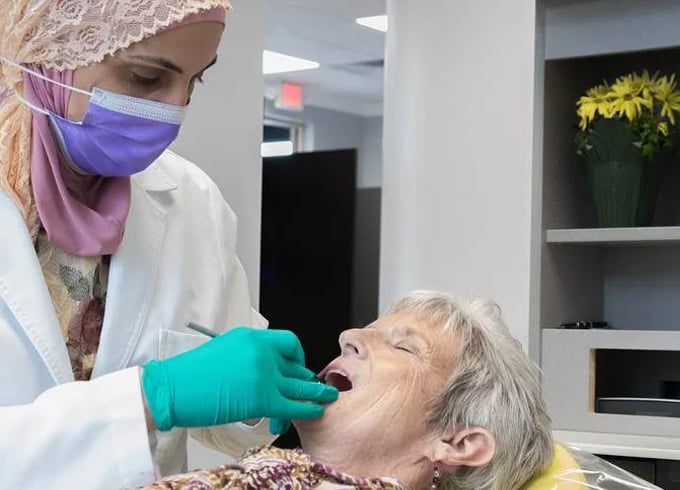
Dr. Huda examines your gums and teeth to find out whether PST is right for you and which areas need treatment.
02
A tiny opening
Once the area is numb, a small opening about the size of a pinhole is made in the gum with specially designed instruments.
03
Gentle repositioning
Working through the opening, Dr. Huda loosens the gum tissue and gently guides it over the exposed root into a healthier position.
04
Collagen for support
Collagen is placed through the opening to help hold the gum in its new position and add thickness as it heals. There are no stitches to remove.
Compare your options
How PST compares with traditional gum grafting
The traditional way
Gum grafting
Traditional treatment for gum recession uses donor tissue or a soft tissue graft, often taken from the roof of your mouth. The graft is stitched in place and fuses with your gum as it heals. It's an effective treatment, but it means a second surgical site and stitches.
The Pinhole way
Pinhole Surgical Technique
PST works with the gum tissue you already have. It can achieve comparable results without a donor site, incisions or sutures, which many patients find a more comfortable experience.
Results
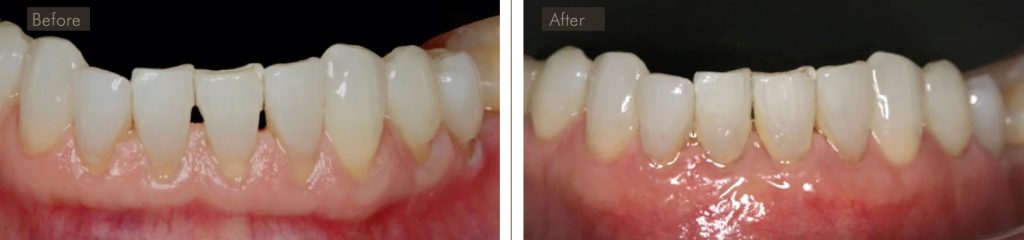
Before and after
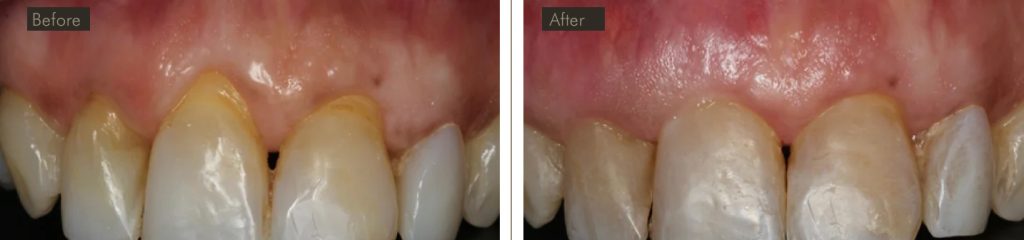
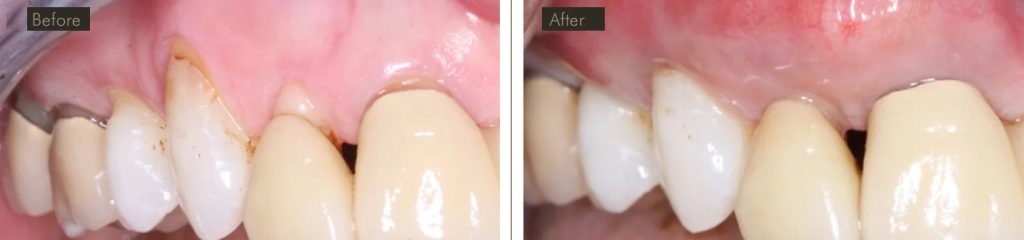
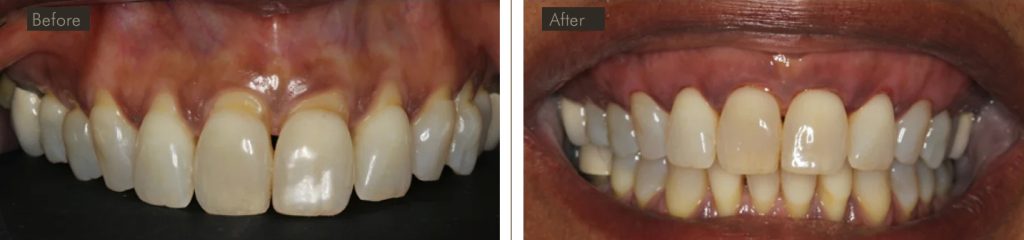
These example cases show the kind of change PST can make. Every case is different, and your results will depend on your gums and overall oral health.
Questions
Questions about the Pinhole technique
Still wondering about something? Call us at (386) 947-7603 or send us a message, and we'll be glad to help.
Is the Pinhole technique painful?
The area is numbed before treatment, and because there are no incisions or stitches, many patients find PST more comfortable than traditional grafting. Some tenderness afterward is normal, and Dr. Huda will explain how to care for your gums as they heal.
How long does treatment take?
Depending on how many teeth are involved, PST can often be completed in one or two visits. Dr. Huda will explain your plan and timeline after your assessment.
Am I a candidate for PST?
PST is most often used when gum recession affects several teeth. Whether it's right for you depends on an exam of your gums and overall oral health. Dr. Huda will assess you at your consultation and talk you through your options.
How long do the results last?
PST repositions your own gum tissue to create a healthier gumline, with results comparable to traditional grafting. How long results last varies from person to person and depends on things like your oral hygiene, brushing habits and gum health. Gentle brushing and regular checkups help protect your results.
Does insurance cover PST?
Coverage varies by plan. We'll go over costs, insurance and payment options with you at your consultation, so you can make the choice that's right for you.
Who created PST, and where did Dr. Huda train?
PST was developed by Dr. John Chao, who created the technique and the instruments it uses. Dr. Huda traveled to California to train in the technique with Dr. Chao himself.