Blossom Dental and Facial Aesthetics
Same-day emergency appointmentsDental emergency? (386) 947-7603
900 W. Granada Blvd., Unit 5, Ormond Beach, FL

Clear aligner treatment
Invisalign
Straighten your smile, discreetly
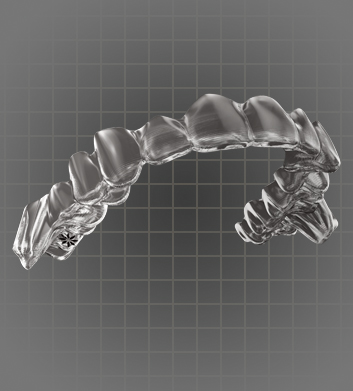
Invisalign clear aligners straighten your teeth without metal braces. They're virtually invisible, comfortable and removable, so brushing and flossing stay simple.
Invisalign Preferred Provider
Dr. Huda Aljonaidy
Overview
Clear aligners, made for your smile
Invisalign uses a series of clear, custom-made aligners to move your teeth gradually into place. Because they're virtually invisible, you can straighten your teeth without the look of metal braces.
Invisalign is backed by years of clinical research. Its SmartTrack material and SmartForce features let your dentist move teeth more precisely, so it can treat a wide range of cases, from mild to complex.
Every smile is different, so your treatment starts with a consultation. Dr. Huda Aljonaidy will look at your teeth and bite and let you know whether Invisalign is a good fit for you.
Why patients choose Invisalign
Discreet treatment
Clear aligners are virtually invisible, so you can feel confident while you straighten your teeth.
Shorter treatment times
Depending on your case, you may be able to switch to new aligners every week, which can help you reach your new smile sooner.
Better fit, better comfort
Aligners made from SmartTrack material are designed to fit well, feel comfortable and be easy to put in and take out.
Predictable tooth movement
SmartTrack material and SmartForce features are backed by clinical research to make tooth movement more predictable.
Is it right for you?
Who Invisalign can help
Invisalign can treat many cases, from mild to complex, and Dr. Huda will confirm whether it's right for you after an exam. It may help if you have:
- Gaps between your teeth
- Crowded teeth
- An overbite
- An underbite
- An open bite
- A crossbite
Your treatment
What to expect
01
Your consultation
Dr. Huda examines your teeth and bite, talks with you about your goals and lets you know whether Invisalign is a good fit.
02
Your custom plan
Impressions or a digital scan of your teeth are used to plan your treatment and create a series of aligners made just for you.
03
Wearing your aligners
You wear each set of aligners as directed, then move on to the next, sometimes as often as every week. Each set moves your teeth a little closer to their new position.
04
Check-ins and keeping your results
Regular visits let Dr. Huda check your progress. When treatment is complete, she'll talk with you about how to keep your new smile in place.
Bite problems
Bite problems Invisalign can treat
Crooked teeth and bite problems affect more than your smile. Left untreated, some can lead to gum problems, tooth wear and jaw pain. Here are some of the cases Invisalign can treat:
Gapped teeth
Gaps can form when the jawbone keeps growing abnormally or when missing teeth let others shift. Gaps can leave gums unprotected, trap bacteria and raise your risk of periodontal disease.
Crowded teeth
When there isn't enough room in your jaw, teeth can become more crooked over time. Crowding makes plaque harder to clean away, which raises the risk of tooth decay and gum disease.
Overbite
The upper teeth bite over the lower teeth, often because of genetics, habits or overdevelopment of the bone that supports the teeth. It can lead to gum irritation, wear on the lower teeth and painful jaw and joint problems.
Underbite
The lower teeth sit in front of the upper front teeth, usually because of how the upper or lower jaw grew, or because of missing upper teeth. It can affect how your teeth work, cause tooth wear and lead to painful jaw and joint problems.
Open bite
Some teeth don't meet the opposing teeth when you bite. It can stem from jaw structure or thumb-sucking and may lead to painful chewing, speech problems and TMJ disorders.
Crossbite
One or more upper teeth bite on the inside of the lower teeth, at the front or the sides. It can lead to tooth wear, gum disease and bone loss.
For teens
Invisalign for teens
Teens can straighten their teeth with Invisalign too. Teen aligners have compliance indicators that fade from blue to clear, so it's easy to see whether they're being worn as directed.
Because the aligners come out, brushing and flossing stay simple. That helps protect your teen's gums during treatment.
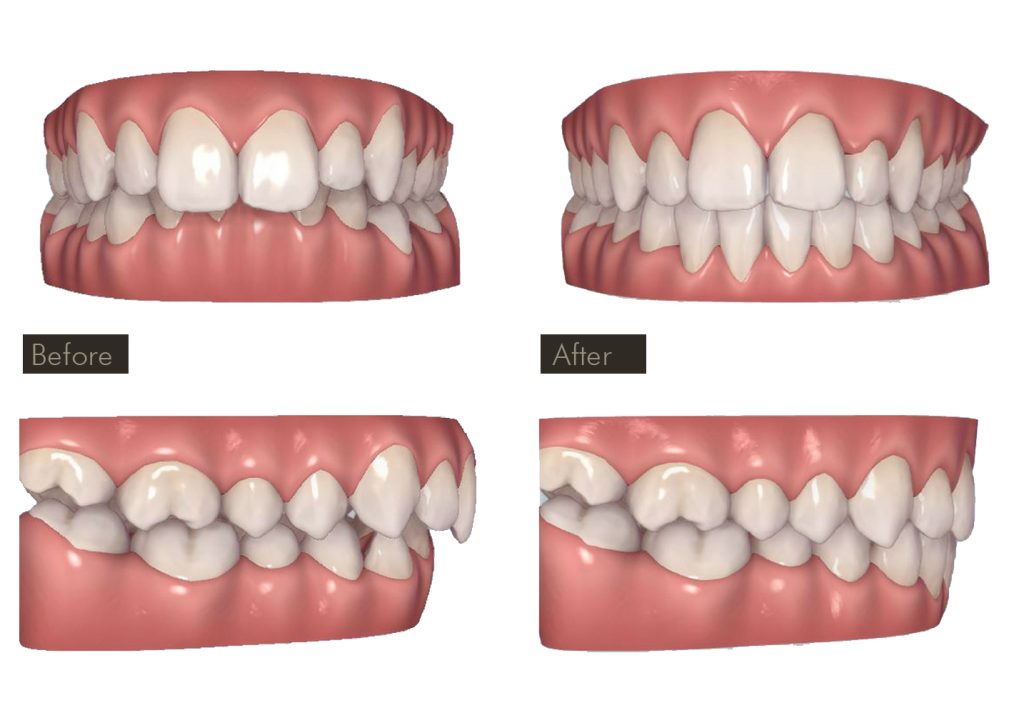
Before and after Invisalign treatment.
Questions
Questions about Invisalign
Still wondering about something? Call us at (386) 947-7603 or send us a message, and we'll be glad to help.
How much does Invisalign cost?
The cost depends on your case and how long your treatment takes. We'll go over costs, insurance and payment options at your consultation.
Is Invisalign comfortable?
Aligners made from SmartTrack material are designed to fit well and feel comfortable. You may feel some pressure when you start a new set, which is a normal sign your teeth are moving. They're also easy to take out and put back in.
How long does Invisalign treatment take?
It depends on your teeth and your goals. For some people, changing aligners weekly can help shorten treatment. Dr. Huda will give you a personal estimate after your consultation.
Am I a candidate for Invisalign?
Invisalign can treat many cases, from mild to complex, including gaps, crowding, overbites, underbites, open bites and crossbites. Dr. Huda will examine your teeth and bite to let you know if it's right for you.
Will my teeth stay straight after treatment?
Teeth can shift over time, so protecting your results takes a little follow-through. When your treatment is complete, Dr. Huda will talk with you about the best way to keep your new smile in place, such as wearing a retainer.
How do I get started?
Schedule a consultation with Dr. Huda. She'll examine your teeth, talk about your goals and explain what your treatment could look like.
Keep exploring